
Why Variable-Speed Packaged Boosters Define Modern Building Performance?
Water pressure issues rarely remain small for long. What begins as a minor tenant complaint on the tenth floor or a slight drop in flow during a hotel’s morning peak demand eventually evolves into a systemic failure. For facility teams, these symptoms are often the first sign of an antiquated or poorly coordinated control strategy. In modern commercial construction, the goal is no longer just moving water; it is about managing energy, mitigating mechanical stress, and ensuring system longevity.
This is why variable speed boosters systems have become the industry standard. Unlike traditional constant-speed pumps that operate on an all or nothing basis, these engineered systems utilize sophisticated variable-frequency drive (VFD) logic to match output precisely to real-time demand. However, the true value of these systems lies not just in the pumps themselves, but in the transition from field-erected components to fully integrated, factory-tested assemblies.
The Engineering Gap: Packaged vs. Field-Built Systems
In the past, pressure boosting was often handled through a component-first approach. An engineer would specify pumps from one source, a control panel from another, and various valves and manifolds from a third. This created a significant coordination gap. Field-built systems force contractors to troubleshoot integration issues on-site, often leading to delayed commissioning and finger-pointing when components from different manufacturers fail to communicate.
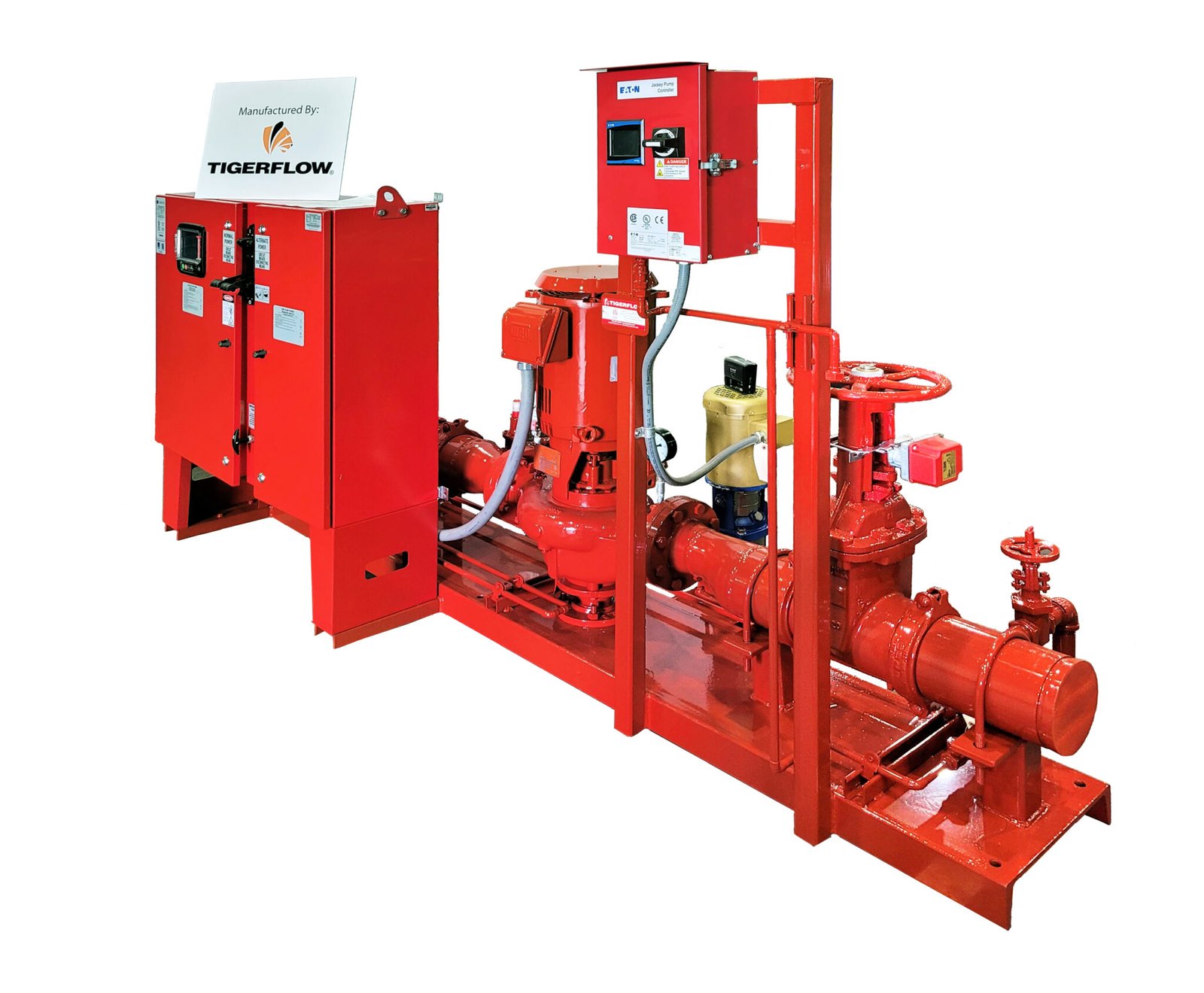
A factory-built, variable speed boosters eliminates this operational risk. When the pumps, manifolds, controls, and instrumentation arrive as a single, pre-engineered assembly, the path from submittal to startup is drastically shortened. This approach ensures that the geometry of the piping, the response time of the sensors, and the logic of the controller have already been validated in a controlled environment. For the contractor, this means reduced labor costs; for the engineer, it means the system will actually perform as specified in the design documents.
Why is Speed Control Non-Negotiable?
The mechanical strain of across-the-line starting, where a pump jumps from zero to full speed instantly, is a primary cause of premature system failure. This creates hydraulic shock, commonly known as water hammer, which can damage joints, valves, and sensitive fixtures throughout the building.
Variable speed boosters solve this by utilizing soft-start and soft-stop capabilities. By gradually ramping motor speed, the system maintains a constant discharge pressure regardless of fluctuating demand. This precision does more than just save energy; it stabilizes the entire building’s plumbing infrastructure. When demand is low, the pumps run at a fraction of their capacity, significantly extending the mean time between failures (MTBF) for the motors and seals.
Customization: Configured vs. Engineered-to-Order
Every commercial project presents unique constraints, particularly regarding physical space and hydraulic requirements. A one-size-fits-all approach to pump skids often leads to compromises in the field.
- Configured-to-Order Systems: These are ideal for projects with standard duty points and code requirements. They offer a balance of high-performance components and faster lead times by utilizing validated, standard footprints.
- Engineered-to-Order Systems: For complex institutional jobs, such as hospitals or large-scale campus retrofits, the system must adapt to the building, not the other way around. This includes custom manifold geometries, specialized pump types (such as vertical multistage or end suction), and specific fire-flow arrangements.
Solving Practical Field Problems
Specifying variable speed boosters requires looking beyond the pump curve. The most successful installations are those that account for the physical and regulatory realities of the job site.
- The Retrofit Challenge: In many urban renovations, the greatest obstacle is the mechanical room door. Advanced packaged boosters are now engineered to fit through a standard 36-inch doorway, allowing for high-capacity performance without the need for structural demolition.
- Material Integrity: Potable water applications demand strict adherence to low-lead requirements. Systems should be compliant with NSF 61 and NSF 372 standards, often utilizing 304 or 316 stainless-steel manifolds to ensure water quality and corrosion resistance.
- Quality Validation: A system is only as reliable as its testing. Engineers should look for packages that offer NIST-traceable factory testing. This ensures that the electrical, hydrostatic, and performance data provided in the submittal match the reality of the equipment upon arrival.
Conclusion
Smart water pressure management is a move away from brute force pumping toward disciplined, engineered packaging. By choosing variable speed boosters that is factory-assembled and rigorously tested, stakeholders can bypass the traditional headaches of field integration. The focus shifts from merely surviving the startup phase to ensuring decades of stable, efficient, and quiet operation.
Reliability in a plumbing system is rarely noticed by the end-user, and that is precisely the point. When pressure is stable and the controls are intuitive, the building functions as intended. Investing in a high-quality, pre-engineered booster package is the most effective way to protect the building’s infrastructure, the contractor’s reputation, and the owner’s bottom line.
To ensure your next project meets the highest standards for pressure control and energy efficiency, it is vital to match the equipment to the specific flow profile and installation limits of your building. Reach out to a qualified system representative today to begin the submittal process.


0 Comments